





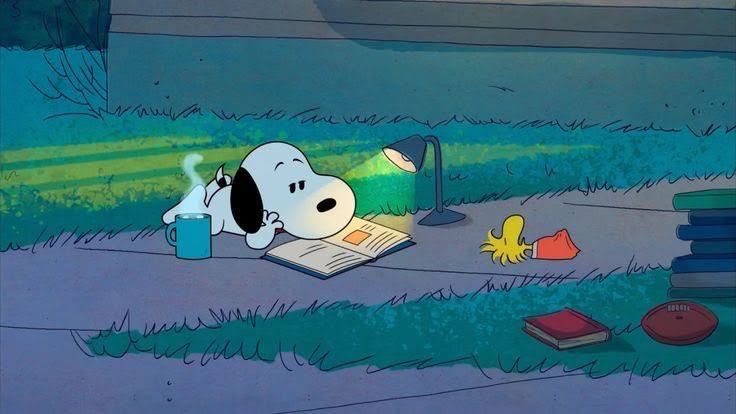
 Source Image: https://pin.it/3xOtcW1Ht
College classes are hard. Not always because of the content, but because of overstimulation from endless assignments, deadlines, and digital distractions. Even if you had great study habits in high school, college forces you to adapt. There’s this idea floating around that “you can never study too much,” but research shows that’s not true. Overstudying doesn’t make you smarter, it just stresses you out, makes your brain tired, and leaves you more likely to make small mistakes that frustrate you.
Take Ohio State University’s mouse experiment, for example. Mice that had an aggressive companion were completely stressed and forgot the path in a maze, even though they had already learned it. “The stressed mice didn’t recall it,” said Jonathan Godbout, lead researcher, “The mice that weren’t stressed, they really remembered it” (Chapman, 2016). This shows that overstressing yourself literally messes with your memory and focus.
Stanford researchers also found that students who did more than 3.1 hours of homework per night faced physical health issues, sleep problems, depression, and academic stress. Even studying more than 2 hours per night can actually backfire. And yet, for many of us, 3–4 hours per class feels like the bare minimum just to survive college.
But here’s the thing, it’s not just studying that wears us out. It’s also the constant flood of digital content around us. Psychologist Nur Islamiah (M.Psi., PhD) from IPB University or Ibu Mia, as she’s known, calls this phenomenon brain rot: mental fatigue and reduced critical thinking caused by excessive exposure to low-quality digital content, especially social media (IPB University, 2025).
Brain rot manifests in several ways:
- Short attention span: endless TikToks, Instagram Reels, and short videos make it hard to focus on anything that takes time or effort.
- Cognitive overload: our brains get flooded with information without time to process it, making it harder to think critically or make decisions.
- Instant gratification: social media is designed to keep us hooked. Every like, notification, or entertaining clip releases dopamine, keeping us scrolling for hours without actually getting anything meaningful out of it.
“Habits like doomscrolling and zombie scrolling increase anxiety, stress, and even depression,” explains Mia. Combine that with overstudying, and it’s no wonder students feel fried, lose focus, and struggle to solve problems.
Fortunately, there are ways to fight back. Kansas State University outlines techniques to “psych down” before tests, classes, or study sessions. Mindful breaks, limiting exposure to low-quality content, and realistic study goals can prevent overstimulation and brain rot.
Studying isn’t inherently the problem. But without balance, it can become self-sabotaging. Overstimulation does more harm than good. Recognizing overstimulation is the first step toward regaining focus, mental clarity, and even enjoyment in learning.
References:
Chapman, M. (2016, September 6). Scientists prove over-studying is real — and it’s time to stop. The Odyssey. https://www.theodysseyonline.com/scientists-prove-over-studying-real-time-stop
IPB University. (2025, March 24). Psikolog IPB University: Kebiasaan doomscrolling dan zombiescrolling sebabkan brain rot dan kelelahan mental. https://www.ipb.ac.id/news/index/2025/03/psikolog-ipb-university-kebiasaan-doomscrolling-dan-zombiescrolling-sebabkan-brain-rot-dan-kelelahan-mental/