





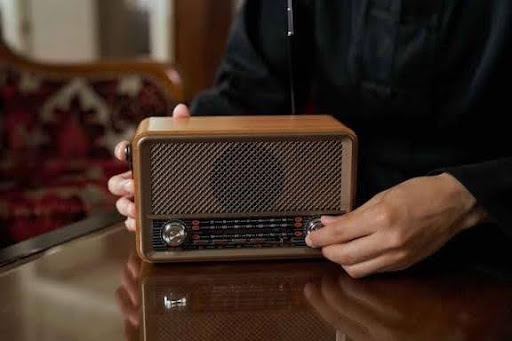
Have you ever realized when the last time you listened to the radio was? For most people, especially Gen Z, radio is no longer the first choice for entertainment or information. The rise of digital platforms such as Spotify, YouTube, podcasts, and social media has changed the way people consume content. With so many more
convenient and personalized options available, one question remains: Can radio still maintain its relevance? For more than 100 years, radio has existed in Indonesia and has become a part of people’s daily lives. In the past, many people started their day by listening to the radio, kept it on during their commute to work, and listened to it again before going to bed. As technology has advanced, however, the number of radio listeners has gradually declined and been replaced by other platforms such as music streaming services, podcasts, social media, and many more.
Why has radio’s popularity declined?
One of the most influential factors is the changing behavior of consumers. Today, people, especially younger generations prefer having full control over the content
they consume, from what they want to listen to, when they want to listen to it, and even which device they use. In this regard, digital platforms such as Spotify,
YouTube, TikTok, and others have successfully met the public’s preference for a more personalized experience.
Radio is no longer competing with television; instead, it is competing with the wide range of digital platforms available today. In fact, many companies now
prefer to advertise through digital channels because they offer more specific target markets and measurable results. This has inevitably affected radio revenues,
which have also declined. The decrease in advertising income has pushed radio companies to adjust their business strategies in order to remain relevant in today’s
industry landscape.
So, how can radio survive?
Rather than competing directly with digital platforms, many radio companies have chosen to adapt to technology and view it as an opportunity. Today, radio is no longer available only through FM and AM frequencies but can also be accessed through websites and applications that allow audiences to listen anytime and anywhere.
Beyond that, social media has become one of the key tools in implementing communication strategies. As we know, the strength of radio is not limited to music alone, but also lies in its emotional connection with listeners through the latest information, engaging stories, favorite listener segments, and natural, authentic interactions between broadcasters and audiences. Therefore, social media platforms such as Instagram, TikTok, and YouTube are often used to share behind the scenes content, daily highlights, and even interact directly with audiences through comments and live streaming. This approach not only helps
expand audience reach but also maintains strong relationships with listeners, particularly younger generations who are more active in digital spaces.
In addition to being active on social media, podcasts have become one of the most popular forms of content among audiences. Radio companies have taken advantage of this trend as an opportunity to attract more listeners. Several radio stations, such as Prambors and Female Radio, have created podcast series featuring topics that resonate closely with younger audiences.
A good example is Prambors, which has successfully transformed into a digitally active radio station through podcasts and social media. Through digital platforms such as Instagram, YouTube, its website, and streaming apps, Prambors has expanded its reach while keeping its audience, especially younger generations, engaged. A similar strategy has also been adopted by Female Radio, which creates digital content tailored to the characteristics of its target audience. This shows that podcasts are not just a new content format, but also an important strategy for radio stations to connect more closely with their listeners in the digital era.


This type of program not only gives listeners the freedom to enjoy content whenever they want, but also creates anticipation that encourages them to look forward to the next episode. More importantly, this strategy allows radio stations to adapt to society’s growing preference for on demand audio content without abandoning their identity as audio-based media.
The function of podcasts is not limited to these aspects. They also create opportunities for companies to collaborate with various brands. Podcasts can serve as a medium for soft-selling advertisements. While promotions were traditionally delivered during commercial breaks, they can now be presented more naturally through podcast discussions by integrating products into the flow of conversation.
In this way, promotional messages feel more relevant and less disruptive to the listening experience, making them easier for audiences to accept. Through the various adaptation strategies they have implemented, radio has demonstrated its ability to keep up with changing consumer behavior in the digital era.
The use of digital platforms, podcasts, social media, and collaborations with various brands proves that radio continues to innovate in order to reach audiences and meet market demands. Ultimately, radio is not a medium that is approaching its end, but rather one that is undergoing transformation. As long as it continues to understand audience needs and embrace innovation, radio will maintain its place amid the rapid growth of digital media and remain a relevant marketing channel for companies seeking to build relationships with their audiences.