





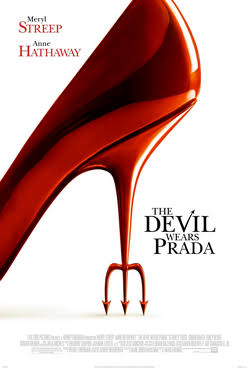
The Devil Wears Prada, one of the legendary films released in 2006, is now getting a sequel 20 years later. For movie lovers, the release of the sequel is highly anticipated. This is because audiences want to see how the old story continues with a more relevant nuance in today’s world.
Why do sequels like “DWP” generate hype so quickly?
Sequels depend not only on a fresh story but also on the feelings audiences had from the previous one including strong visuals, relatable emotions as well as the unforgettable characters. This experience matters more than temporary satisfaction. An emotional experience stays in memory and is easier to recall.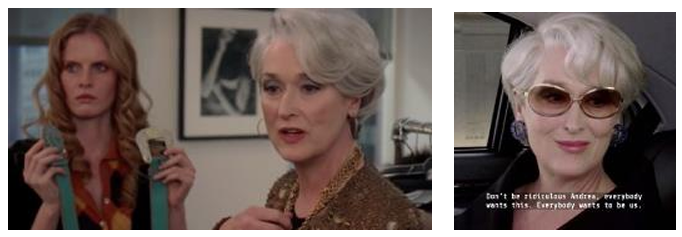
The release of the DWP sequel can also be seen as a brand extension of their first film, making consistency a crucial aspect of its success, especially in terms of casting and character selection. (Zachary et al., 2026). The return of Meryl Streep and Anne Hathaway is a strategic move, as it reinforces familiarity in the audience’s minds, since these characters have strong identities from the first film.
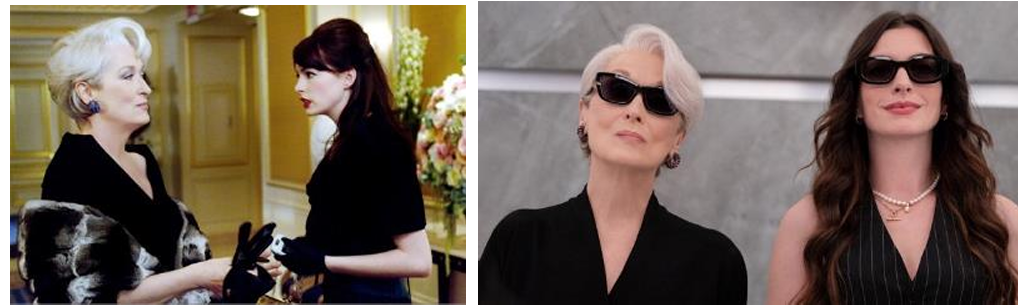
This consistency maintains the experience that has been established previously, so that familiariy builds trust and ultimately encourages the audience’s interest in returning to watch the sequel.
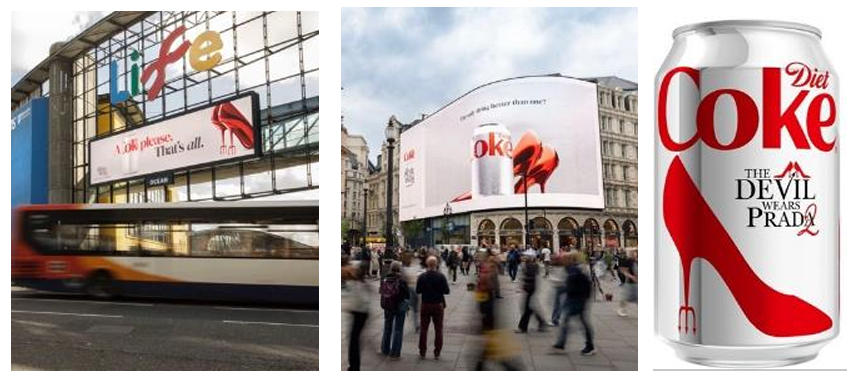
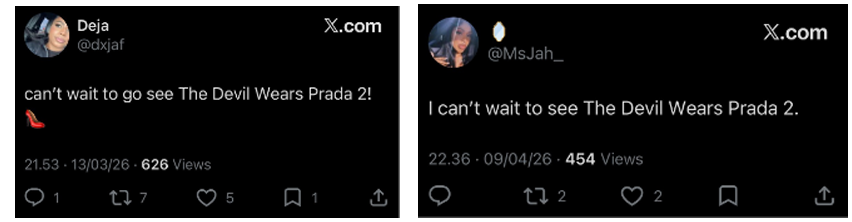
Media Frenzy, The announcement of the DWP sequel immediately caught people’s attention across social media. People began discussing it and rewatching the first film along with sharing iconic scenes that had previously gone viral. This enthusiasm encouraged various brands to engage with the ongoing conversation. One brand that took advantage of this is Coca-Cola Diet Coke. The brand engaged with the cultural moment to become part of the conversation, positioning itself not just as a sponsor but as part of the audience’s experience.
This approach was performed through a runway-themed campaign and the release of special edition packaging, creating a brand image that feels modern and in line with the film’s character.
Why is this strategy effective? (Gambar 10) (Gambar 11) By using this approach, Diet Coke feels more natural and relevant, especially to audiences who already have an emotional connection to the film. This is because the brand doesn’t just enter for promotion in a boring way, but becomes part of the film, making it easier for the audience to accept.