




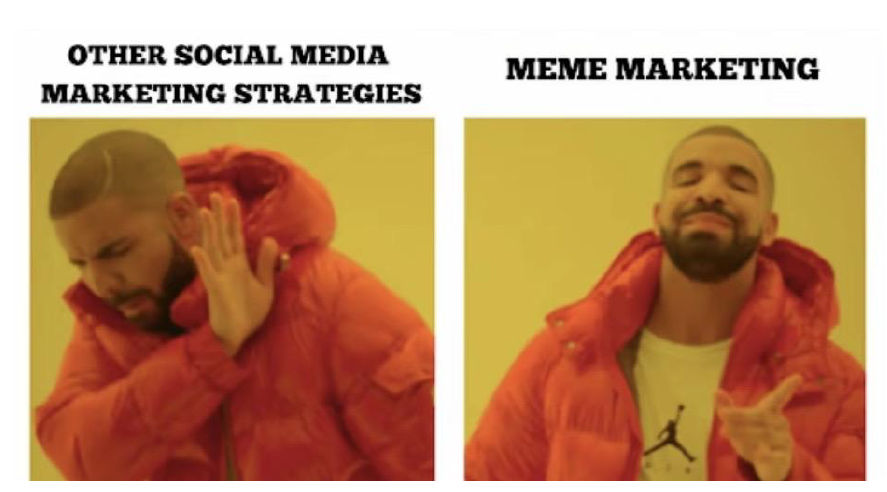
Instead of polished advertisements and carefully written taglines, brands are now joining the internet’s conversation with memes, viral trends, and humor that feels more like something your friend would post.
This is where meme marketing comes in. Meme marketing is the use of popular memes, internet humor, and cultural trends as a way for brands to communicate with their audience. Rather than simply promoting a product, brands use familiar internet formats to create content that feels relatable, shareable, and native to social media.
At its core, meme marketing is about meeting audiences where they already spend their time. Instead of asking people to stop scrolling and pay attention to a traditional advertisement, brands become part of the content people are already consuming and sharing. This makes marketing feel less like a one way promotion and more like a conversation between the brand and its audience.
One brand that has mastered this approach is Duolingo. Through its green owl mascot, Duo, Duolingo has built a social media personality that goes far beyond teaching languages. Its content often uses trending formats, memes, and chaotic humor, turning Duo into an internet character that audiences recognize and engage with. The brand isn’t just selling a language learning app, it is creating a personality people want to interact with.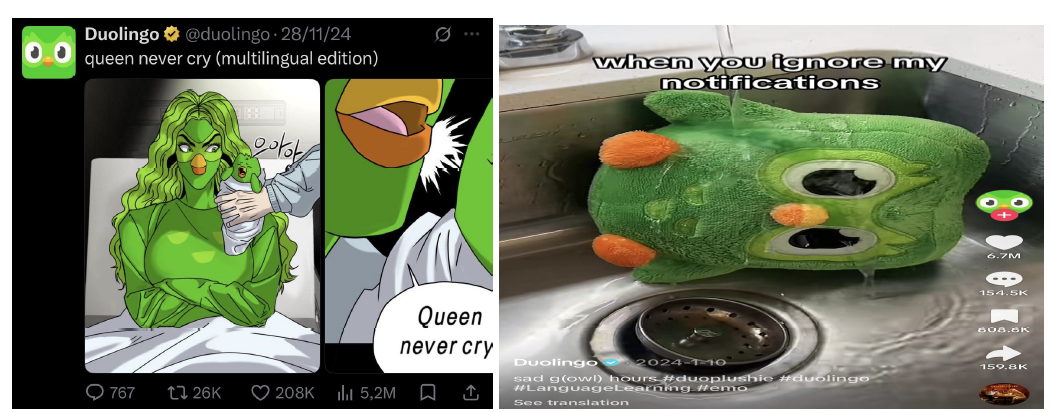
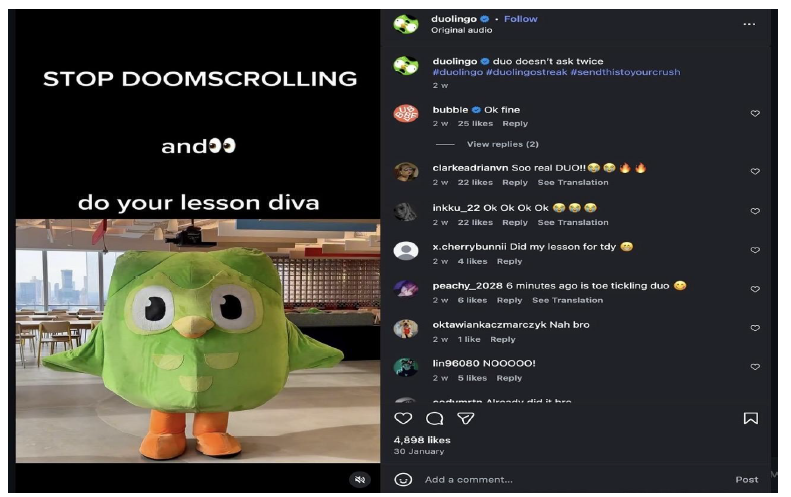
However, being part of internet culture also comes with a challenge. Internet trends move quickly, and not every meme or trend will fit every brand. If a brand uses a trend without understanding its context or audience, the content can easily feel forced rather than relatable. This is why authenticity and consistency are important when brands use meme marketing.
And that’s what makes meme marketing powerful. When done well, a meme doesn’t feel like an advertisement. It feels like part of the internet culture itself.
But there’s a catch: jumping on every trend doesn’t automatically make a brand relatable. The content still needs to feel authentic to the brand’s personality and audience.
Because in meme marketing, it’s not just about joining the joke. It’s about making the joke feel like yours.