






Author: Maureen Xaviera Sisley
What if buying used clothes was cooler than buying the new ones? For some Gen Z, it already is. The secondhand economyis no longer just a budget workaround, it has become a global cultural statement, and brands that miss this shift are at seriousrisk of becoming irrelevant.
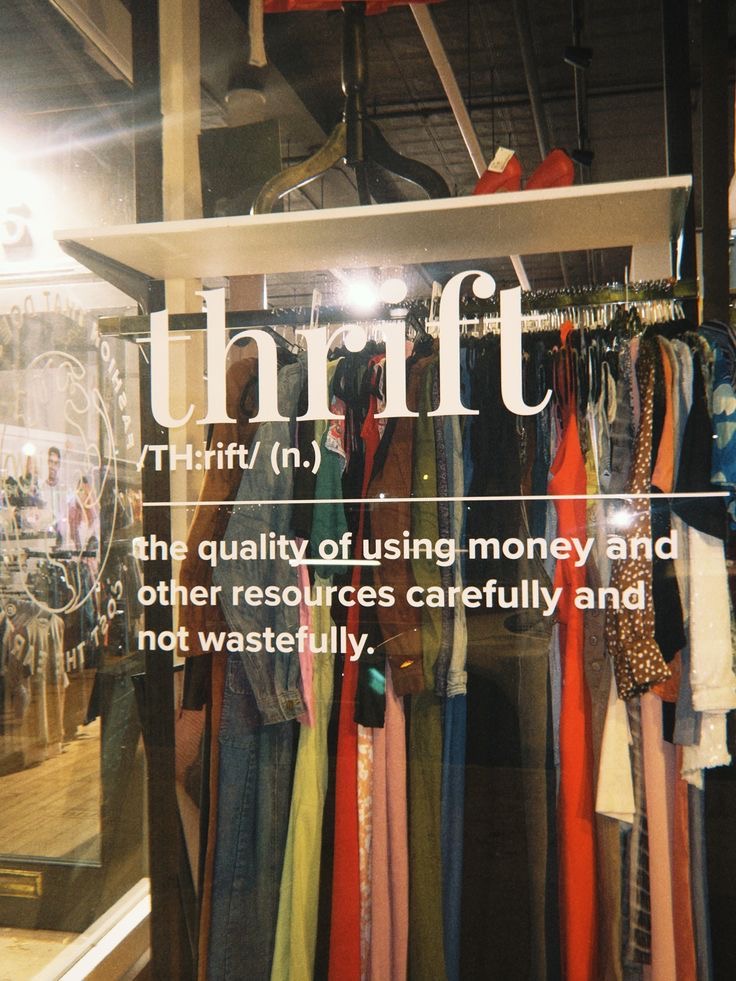
The secondhand economy also called the resale or circular economy, refers to the buying and selling of pre-owned goods: Clothing, Accessories, Electronics, and more. What once carried a “budget” stigma has transformed into a full-blown Gen Z movement driven by sustainability, individuality, and smart spending. The numbers speak for themselves: the global secondhand market is projected to hit 64 billion in 2026, and in the US alone, 1.4 billion secondhand apparel items were purchased in 2022 which 40% jump from the year before(Refuel Agency, 2026).
Gen Z’s secondhand behavior divided in three core values:
- Sustainability they care deeply about the planet. Fast fashion guilt is real, and Gen Z wants no part of it.
- Individuality thrifted pieces feel unique not mass produced, not “everyone has this”.
- Financial Literacy Gen Z cut overall spending by 13% in early 2025, but they still choose to spend on things that align with their values (Liederman, 2026).
Thrifting not just a western trend, this activity is quickly expanding internationally. In Southeast Asia, platforms likeCarousell or Shopee in Singapore and Indonesia, TikTok shop resellers, and local thrift communities are booming among Gen Z (Shaw, 2025). While South Korea has embraced a thriving “vintage haul” culture that dominate YouTube and Instagram, where buying secondhand is seen stylish rather than a budget compromise (Meliana, 2026). In Europe, platforms like Vinted and Depop has become a good essential among Gen Z, with sustainability being a key driver of purchasing decisions across various market. Even in United States, the trend has gone fullylike ThredUp, Poshmark, and StockX have collectively turned resale into a multi-billion dollar industry that shows no sign of slowing down.
How Global Brands Are Responding
Smart brands are not fighting the resale trend, they are joining it. Here is how some global players are making the secondhand economy part of their marketing strategy:
- Levi’s Secondhand buy back and resell worn Levi’s jeans directly through their own platform, reinforcing brand loyalty while promoting sustainability.
- Patagonia “Worn Wear” repair, resell, and recycle their own products. A practical guide to value based that truly resonates with Gen Z.
- IKEA Buy-Back Program operating across multiple countries, letting customers return used furniture for store credit.
For future marketers, there’s some key to keep in mind. First, Value (Strategy) Gen Z can spot greenwashing from a mile away, which means brands must implementing sustainability into their core business, not just their Instagram captions. Second, Resale (Opportunity) Indonesian brands and startups have a real opening to build resale platforms or tap into existing communities like Carousell and TikTok Shop. The last one,Community First building a brand around shared identity will always be more powerful than any ad campaign.