






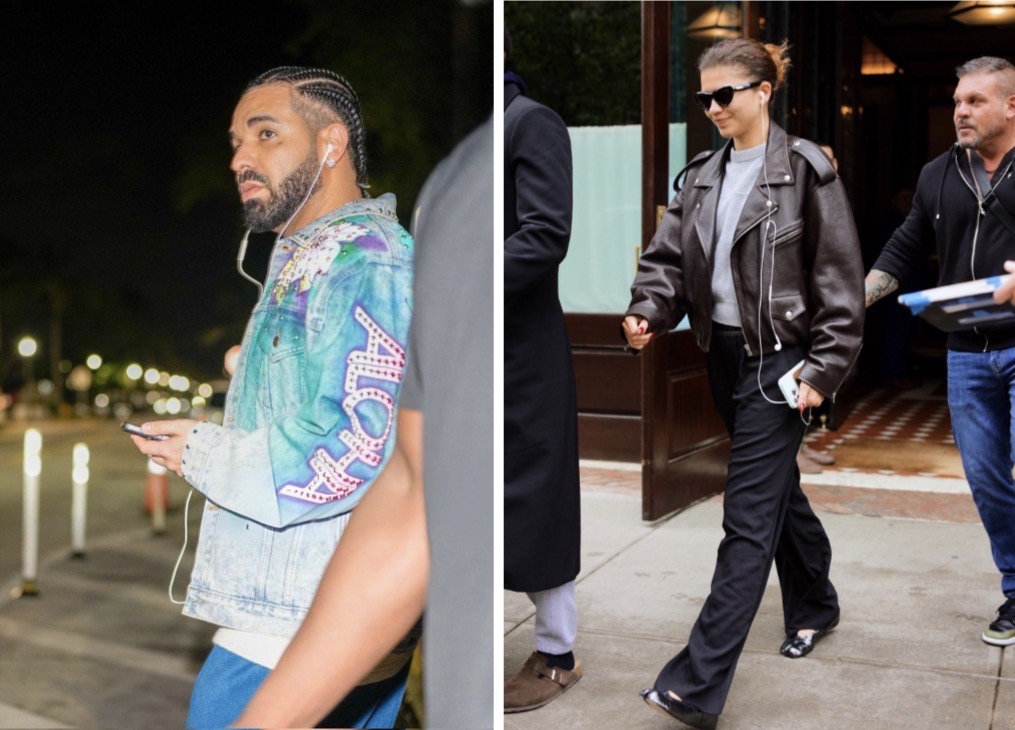
Look around lately and you’ll notice more young people (especially Gen Z’s) wearing corded earphones. Not because their AirPods died or they can’t afford true wireless. They’re choosing the dangling white cable on purpose. Strange, right? We spent years living in a wireless era sold to us as “more convenient,” and now the most tech-savvy generation is walking back toward something technically clunkier.
Through a marketing lens, this isn’t a coincidence. It’s a case of how a technological “downgrade” can be reframed into a powerful cultural statement. Here’s the breakdown. This isn’t a TikTok trend that blows up for a week and disappears. Research firm Circana recorded wired earphone sales declining for five straight years, then suddenly surging 20% in just the first three months of 2026. Another report cites the same shift: wired headphone purchases exploded in the second half of 2025, with revenue up 20% in the first six weeks of 2026.
What’s interesting is this isn’t just “cheap, therefore popular.” Reported average pricing put wired earphones around $13 versus roughly $99 for Bluetooth models. But if it were purely about price, this trend would have kicked in long ago. Something else is making “cheap” feel cool instead of cheap-feeling.The most effective marketing today isn’t brand-made ads, it’s visuals that “cool people” adopt organically. Wired earphones have plenty of that: from Drake, Lily-Rose Depp, Harry Styles, and Zendaya have all been spotted ditching Bluetooth for the cord.
This phenomenon even has its own name and community. There’s an Instagram account called Wired It Girls dedicated to documenting the trend. Its founder points to Bella Hadid as the spark, someone who could clearly afford AirPods but stuck with the wire anyway, which read as effortless and unbothered by the latest tech trends. The marketing lesson here: you don’t need people to believe your product is “more advanced.” You just need it to become an identity marker recognizable in one second on someone else’s screen.
This is the smartest part of the repositioning. Instead of being sold as outdated tech that lost the features race, the narrative shifted to a symbol of resistance against optimization culture. One outlet described it as a “performance of not performing”, a posture that says: I’m not caught up in the upgrade cycle, the codec wars, or ANC ratings, I just plug in and play.
This is a classic marketing move: when you can’t win on features, you shift the battlefield to values. Wired earphones don’t win on convenience, but they win on attached meaning, something tied to a broader “analog lifestyle” movement, described as a deeper longing for a more offline existence amid an increasingly AI-driven landscape.
Good marketing rarely stands alone, it attaches itself to a cultural wave that’s already moving. Wired earphones were deliberately positioned alongside the Y2K trend and other analog tech comebacks, the return of vinyl records, CD players, and cassette tapes, all part of the same broader trend toward more intentional use of technology.
Even product design leans into this nostalgia. Some new devices deliberately mimic the look of old CD players or cassette players from the 1980s and ’90s. That’s not an accidental design choice, it’s a marketing decision to make a new product feel like a rediscovered relic.
Interestingly, technical reasons still show up in the marketing narrative, but as supporting evidence, not the headline reason. People cite never running out of battery, neverlosing one earbud, and much longer product lifespans. One widely shared review summed up the appeal bluntly: no charging, no fear of losing them, no pairing needed, just plug in and listen, with sound quality that beats thousand dollar over-ear headphones. Actress Zoë Kravitz also publicly criticized Bluetooth, saying <it doesn’t work properly and ruins important moments. Quotes like this are effective word-of-mouth marketing ammunition precisely because they come from lived experience, not a brand sponsorship. The timing of this trend also isn’t disconnected from economic conditions. Some analysis links the rise in wired earphone interest to inflation hitting Gen Z and millennials harder than other age groups, making tech minimalism not just an aesthetic but a survival strategy for a lot of younger listeners. When a lifestyle trend happens to also save money, adoption speeds up dramatically, people get two reasons to jump in at once: looking cool andfeeling financially sensible.
Conclusion
Wireless is still objectively better for things like workouts or long-distance travel, that’s not up for debate. But wired earphones didn’t win on that front. The marketing behind this comeback managed to turn a limitation, a cable you have to plug in, that tangles, that you can’t run with into an easily recognizable visual language loaded with meaning: relaxed, unbothered, and self-aware.
That’s a marketing lesson worth remembering beyond earphones: products don’t always win because they’re functionally superior. Sometimes they win because they successfully position themselves as a symbol of something a lot of people are already craving, in this case, exhaustion with an over-optimized life, and the desire to look like you’re “not trying” in a culture that’s actually trying very hard.