






Imagine paying millions to get your brand in front of one of the biggest audiences in the world. Then imagine another brand becoming the center of attention without spending a dollar on sponsorship.
That’s exactly what happened at the 2026 FIFA World Cup.
To protect the exclusivity of its official sponsors, FIFA required every host stadium to remove/cover any branding from companies that weren’t official partners. That meant “Levi’s Stadium” temporarily became “San Francisco Bay Area Stadium,” with its iconic logo hidden with a giant white tarp.
You’d think that would make people notice the brand less. Instead, it did the exact opposite.
Photos of the covered logo quickly spread across social media, news outlets picked up the story, and suddenly people everywhere were talking about a logo they weren’t even supposed to see.
Levi’s didn’t fight it. They leaned into it.
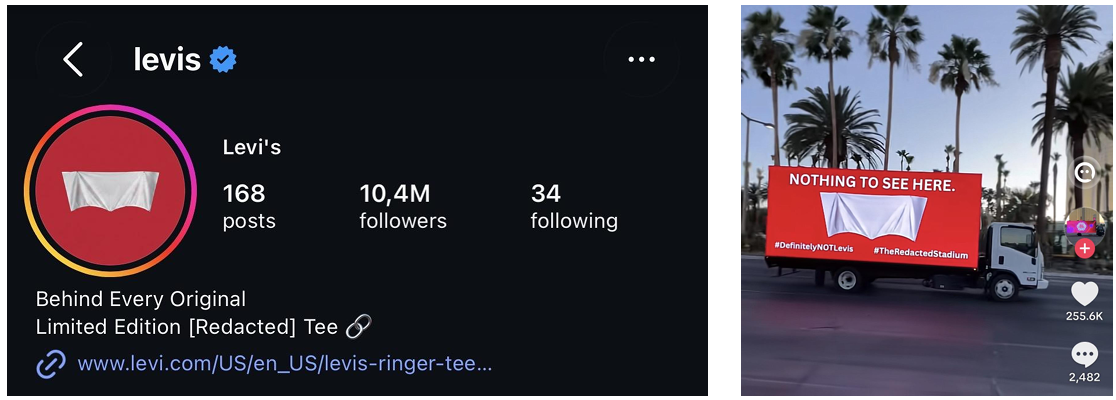
The brand changed its Instagram profile picture to match the covered logo, joked about the “[redacted] stadium,” and turned the whole situation into a campaign.
But they didn’t stop there. Levi’s later launched the “Nobody’s Gonna Know Logo Tee,” a t-shirt inspired by the covered logo. Instead of letting the moment fade, the brand turned a viral conversation into a product that fans could actually buy.
So why did this work so well? Because Levi’s has something many brands are still trying to build: strong distinctive brand assets.
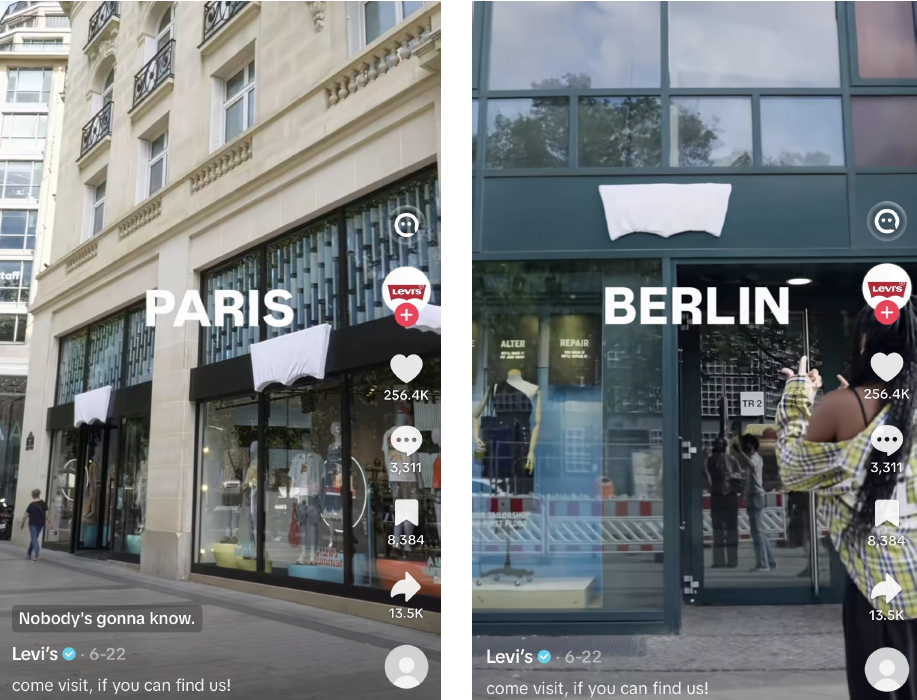
Even with the name covered, people immediately recognized the iconic batwing shape. That recognition didn’t happen overnight. It’s the result of decades of consistent branding, where the shape itself has become just as recognizable as the name.
What’s even more interesting is that Levi’s wasn’t the only stadium affected. Other venues also had their names and logos covered, but hardly anyone talked about them. The difference wasn’t FIFA’s rule. The difference was the strength of the brand behind the logo.
This is also a great example of the Streisand Effect, where trying to hide something only ends up attracting more attention to it. It also shows how reactive marketing can turn an unexpected situation into a great opportunity.
For Immers, the takeaway is simple!
Being visible isn’t the same as being memorable. Ads can get people to see your brand, but strong branding makes people recognize it instantly, even when your name isn’t there. Sometimes, the best proof of a strong brand isn’t when everyone can see your logo. It’s when someone covers it up, and everyone still knows exactly who you are.
References
- BBC Sport. (2026). How brands banned from the World Cup became the story.
- Levi’s embraces FIFA’s World Cup stadium logo rule as a new branding opportunity.
- Wersm. (2026). Levi’s turns its viral World Cup logo cover-up into a T-shirt.
- Yahoo Entertainment. (2026). After FIFA covered up Levi’s logo for the World Cup, the company changed its Instagram profile picture.