






For years, influencer marketing seemed simple: the larger the audience, the greater the influence. Brands have been competing to secure creators with millions of followers because more followers mean wider reach, greater exposure, and the potential to attract more customers. However, social media has changed. So has the way Gen Z decides who to trust. So, have influencers really lost their influence? Not exactly. What has changed are the factors that make someone influetial. A large number of followers can certainly provide visibility to a creator, but visibility does not automatically create credibility. According to Vogue Business, influencer marketing is increasingly moving away from a large follower count as the primary measure of success, and shifting toward micro influencers, niche communities, authenticity, and deeper engagement. This shift is particularly evident among Gen Z. Research conducted by Vogue business and Archrival found that 70% of Gen Z respondents agreed that influencers are now considered “run of the mill”, while 68% said influencers are more boring than before.
At the same time, social media remains a primary source of inspiration, creating an interesting contradiction: we constantly consume influencer content, but that doesn’t always mean we trust it. So 1 million followers doesn’t automatically mean 1 million people trust you. Today, audiences have become more selective. They can tell the difference between when a recommendation feels genuine and when it feels like nothing more than a paid promotion. A 2026 study by Naufaijlal & Widyatama involving 492 Gen Z users in Yogyakarta found that an influencer’s authenticity and parasocial relationships are positively correlated with trust in TikTok influencers. This suggests that a sense of connection and familiarity with a creator can influence how much the audience trusts their recommendation. And this is where micro influencer come into play.
They may not have millions of followers, but their smaller, more niche communities can foster stronger connections with their audiences. In fact, Vogue business reports that the ratio of micro influencers to mega influencers has rise from 3:1 to 10:1 over the past five years, while micro
influencers can generate engagement rates roughly three times higher than those of mega influencers. For marketers, this shifts the question from: “How many followers does this creator have?” to “ Does their audience truly trust them?” The 2026 TikTok Creator Fit Report also highlights authenticity, audience trust, credibility, and alignment between creators and brands as key considerations for successful creator partnerships. So, perhaps influencers aren’t losing their influence. Perhaps we’re simply becoming more adept at determining who deserves it. For marketers, influence is no longer just about reach. It’s about finding the right creator, for the right audience, with the right level of credibility and cultural relevance. Because the strongest creators aren’t necessarily the ones with the most followers. Rather, they’re the ones whose audiences truly listen. And by 2026, that might be the true meaning of influence: not how many people follow you, but how many people trust you.
A real-life example is Tasya Farasya’s “Tasya Farasya Approved.” Tasya didn’t build this credibility overnight. Since launching her career as a beauty influencer in 2017, she has consistently created content about makeup and skincare, including detailed and informative product reviews. Over time, her consistent focus and perceived authenticity have helped her build a strong personal brand and earn the trust of her audience.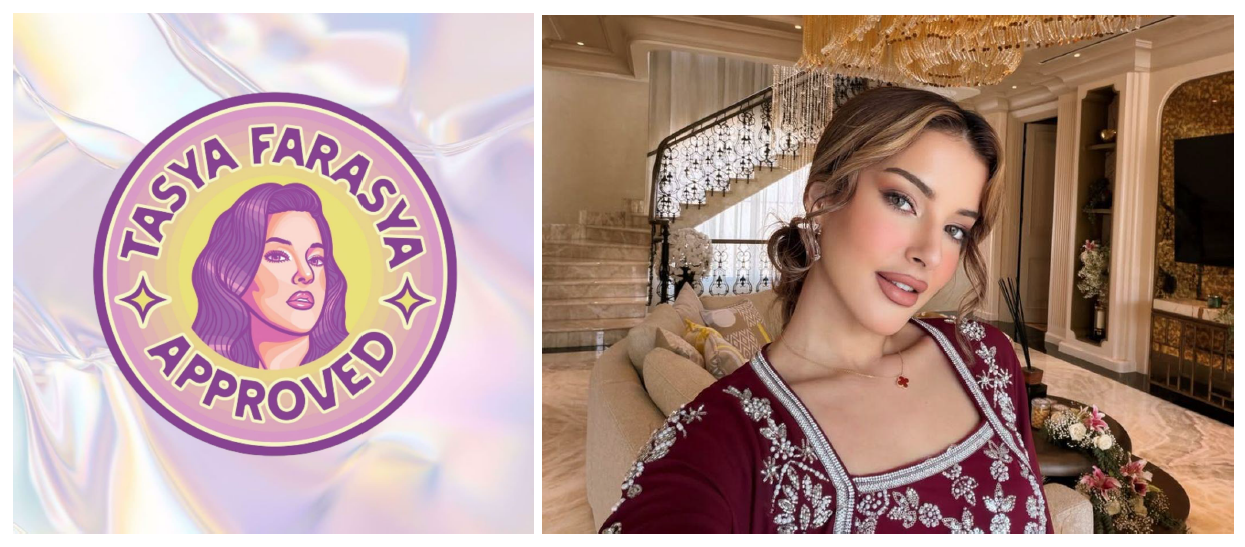
As a result, when Tasya genuinely recommends a product, her recommendation can be more than just an ordinary review it can serve as a signal of trust for her followers. There have even been instances where products she endorsed sold out almost immediately afterward, helping to turn “Tasya Farasya Approved” into a recognizable label that brands themselves use in their marketing. Therefore, her influence doesn’t stem solely from her number of followers. It stems from the credibility and trust she has built over time.