






The time is late at night, and there is an assignment still being done via the computer screen’s glow. Such an image is quite typical for many students. The vast majority of adolescents lack sleep since sleep deprivation has become the norm for students. Nonetheless, sleep is an integral element which influences how people study, what health state people have and what emotions people experience. Hence, understanding the reasons for such behavior and its consequences is the first step towards health and productivity.
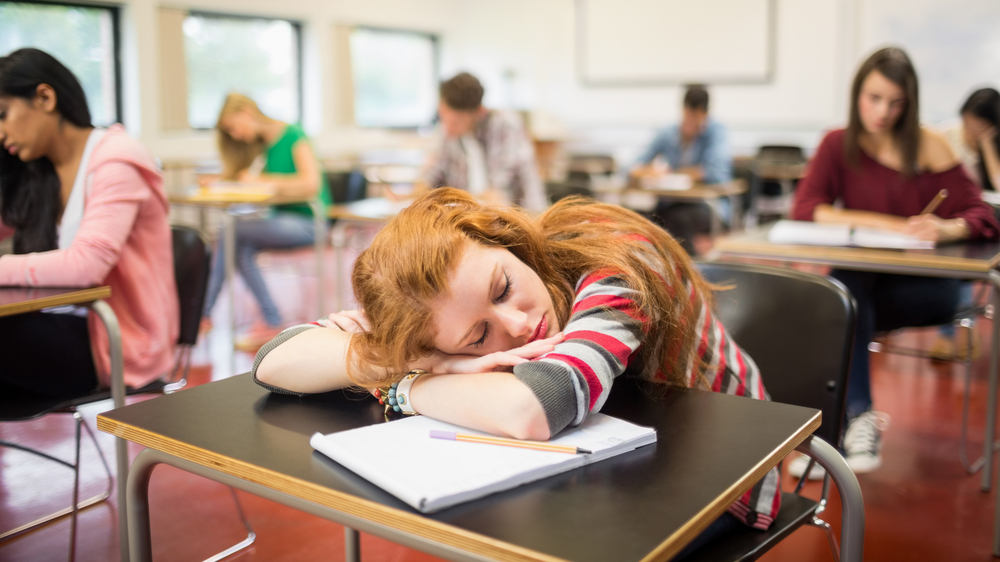
Source: https://www.shutterstock.com/image-photo/blurred-young-college-students-sitting-classroom-160640804
A few interlinked tendencies compel students to go to bed late. Students usually have too much to do, which means that even the evening hours will not be enough for completing the necessary assignments. The presence of mobile phones or other devices adds to the issue since almost nine out of ten teens use one of the gadgets in the bedroom when going to bed (Suni, 2023). The blue light from electronic devices affects the production of melatonin, the sleep hormone. Besides, gaming and online streaming contribute to the desire to spend more time staying awake. Time management issues and procrastination mean that students continue working in the evening. Stress and sleep disorders also play a role here.
Sleep is the basis for cognitive abilities used during studying. Good sleep allows for focusing, remembering, and planning, whereas sleep deprivation results in distraction and lower cognitive control (Hyndych et al., 2025). Memory consolidation, a procedure through which recently learned information becomes encoded into memories, is very sensitive to sleep disruption. Lack of sleep makes it impossible for students to pay attention in class, remember things they have learned, and think things out. Sleep deprivation negatively impacts not only learning but also retaining information.
Sleep deprivation has negative consequences for the body as well. Sufficient sleep helps in maintaining an optimal immune system and decreases the chance of getting sick, whereas insufficient sleep causes vulnerability to sickness (Centers for Disease Control and Prevention [CDC], 2024). Persistent tiredness and reduced energy are usual consequences of lack of sleep, which makes even simple tasks seem very tiring. Lack of sleep has also been associated with poor metabolism, high blood pressure, and cholesterol, which may increase the risk of developing such diseases as diabetes (Suni, 2023); these factors have special significance during the period of physical growth in adolescence.
Lack of adequate sleep alters the mood as much as the body and brain. Sleep loss heightens the amygdala’s reaction, which is the part of the brain that deals with emotions, yet reduces its interaction with the prefrontal cortex, which regulates emotions (Hyndych et al., 2025). This leads to irritability and more dramatic mood swings. Consistent lack of sleep causes higher stress and anxiety levels, and the lack of sleep among adolescents has been known to cause depression and burnout (Suni, 2023). Uncontrolled, such consequences may harm not only the individual’s general well-being but also his/her relationships.

Source: https://www.istockphoto.com/id/foto/mahasiswa-hispanik-lelah-gm679615198-124508327
Getting better sleep is not about making extreme changes but about doing the simple things in a consistent way. Going to sleep and getting up at the same time every day, even on weekends, regulates the body clock (CDC, 2024). Reducing the use of electronic devices thirty to sixty minutes before sleeping allows the mind to unwind. Not drinking any caffeinated beverages after lunch and in the evening helps ensure that the stimulants do not get in the way of sleep (CDC, 2024). Creating a relaxing pre-sleep ritual, like reading and stretching, in a cool, quiet, and dark environment will also help the body know it is bedtime.
It is common for many students to lack sleep, but it is not an issue that should be taken lightly. There are various ways in which sleep deprivation affects the brain, regardless of whether or not the impact may be noticed right away. The simple things like maintaining a consistent sleep schedule, avoiding use of screens before bed, and controlling consumption of caffeine can make all the difference. The students who choose to sleep do not lag behind; instead, they are giving themselves the gift of concentration and strength required to get through tough times. Start by shutting down your screen a bit earlier today.
References
- Centers for Disease Control and Prevention. (2024, May 15). About sleep. https://www.cdc.gov/sleep/about/index.html
- Hyndych, A., El-Abassi, R., & Mader, E. C. (2025). The role of sleep and the effects of sleep loss on cognitive, affective, and behavioral processes. Cureus, 17(5), e84232. https://doi.org/10.7759/cureus.84232
- Suni, E. (2023, October 4). Teens and sleep. Sleep Foundation. https://www.sleepfoundation.org/teens-and-sleep