






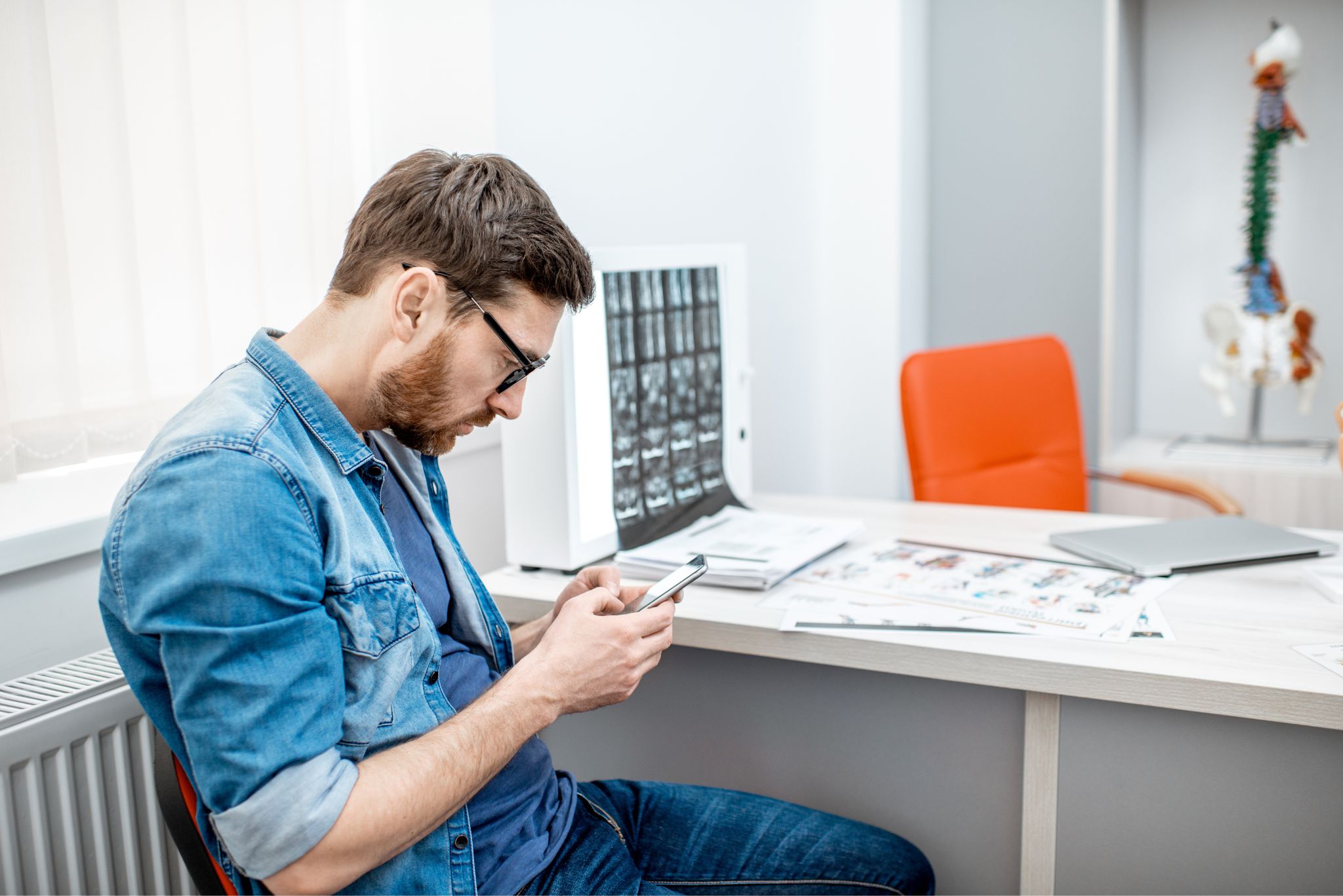
Figure 1. Visual weight load on the cervical spine at different neck angles. Source: Yale Medicine.
Smartphones have become an essential part of daily life. People use them for communication, studying, work, entertainment, and accessing information. In Indonesia, smartphone use continues to increase as internet access becomes more widespread. Recent data shows that Indonesians spend around 7.5 hours per day on digital screens. Teenagers and university students are among the groups with the highest screen time, especially for social media and entertainment. Many people use their phones while eating, studying, before sleeping, and even during social gatherings. Therefore, excessive smartphone use deserves attention because it may affect health and overall quality of life.
One common habit today is using smartphones before going to bed, such as scrolling through social media, watching videos, or playing games. The blue light emitted from smartphone screens can reduce the production of melatonin, a hormone that helps regulate sleep. As a result, people may find it harder to fall asleep and experience poorer sleep quality. Several studies have shown that smartphone use before bedtime is linked to a higher risk of insomnia and sleep disturbances. Lack of sleep can cause fatigue, reduced concentration, lower productivity, and various physical and mental health problems.
Using smartphones over the long term is very harmful to physical health, particularly due to “tech neck.” Looking down at a screen puts up to 60 pounds of additional pressure on the cervical spine. This poor posture leads to chronic neck stiffness, shoulder pain, and tension headaches. In addition, excessive device use causes screen-related eye strain. Research shows that 90% of people who use screens for eight hours a day suffer from dry eyes and blurred vision. This occurs because our blink rate is reduced by half when using screens. Poor posture also causes long-term musculoskeletal discomfort in the back and wrists.
Gadget addiction has a serious impact on mental health, often leading to smartphone addiction. Many young adults suffer from nomophobia, which is severe anxiety caused by being separated from their cell phones. Statistics show that about 44% of people experience panic when their cell phones are lost. In addition, constant notifications drastically reduce attention span and daily productivity. Research confirms that simply having a smartphone nearby causes cognitive “brain drain.” Even when turned off, phones continue to drain mental resources on a subconscious level. This constant disruption limits working memory capacity and hinders deep, focused academic learning
Smartphone dependency triggers the “phubbing” phenomenon, which means ignoring people nearby for screens, reducing face-to-face communication quality and damaging social relationships. Academically, phones become primary distractions through multitasking habits, like studying while accessing social media. This fractured concentration makes lecture materials difficult to absorb and decreases productivity. Research proves that the mere presence of a phone near study areas (even when turned off) still reduces cognitive function and working memory capacity because the brain unconsciously anticipates notifications. Consequently, students’ overall academic performance suffers a significant decline.
Smartphones have now become an integral part of the lives of teenagers and college students. However, excessive use can have negative effects on physical and mental health, social relationships, and academic performance. Excessive use of social media can also trigger anxiety, depression, and FOMO. In addition, the habit of “phubbing” can reduce the quality of interactions with those around us.
To reduce dependence, teenagers are advised to implement a “gadget curfew,” put their phones away before bed, and make use of the Screen Time or Digital Wellbeing features. With consistent habits, technology can be used more wisely and healthily.
In summary, excessive smartphone use poses a serious threat to physical and mental health. It causes debilitating physical problems such as “tech neck” and eye strain from digital screens, while also triggering psychological stress through “nomophobia.” Furthermore, habits such as “phubbing” and multitasking significantly disrupt social relationships and academic performance. However, smartphones remain invaluable tools when used responsibly. The main danger lies not in the devices themselves, but in our lack of self-control. Therefore, young people must establish healthier digital boundaries to protect their long-term well-being and successfully maintain a balanced life.
References
- Tim Promkes RSST. (2022, Oktober Senin). Stop Kebiasaan Tidur di Dekat HP. Stop Kebiasaan Tidur di Dekat HP. https://keslan.kemkes.go.id/view_artikel/1693/stop-kebiasaan-tidur-di-dekat-hp
- Accio. (2026, June 17). Tren penggunaan HP Indonesia. Accio. https://www.accio.com/business/id/tren-penggunaan-hp-indonesia
- GoodStats. (2024). Melihat rerata screen time Gen Z Indonesia dalam bermedsos: Berapa lama dalam sehari? https://goodstats.id/article/melihat-rerata-screen-time-gen-z-indonesia-dalam-bermedsos-berapa-lama-dalam-sehari-f3kLL
- Kompas.com. (2025, June 17). Menko PMK: Screen time orang Indonesia 7,5 jam per hari picu berpikir pendek. https://nasional.kompas.com/read/2025/06/17/12490611/menko-pmk-screen-time-orang-indonesia-75-jam-per-hari-picu-berpikir-pendek
- Pratama, A. M. (2025, June 25). Urutan negara dengan pengguna HP terbanyak di dunia, Indonesia nomor berapa? DetikINET. https://inet.detik.com/consumer/d-7988111/urutan-negara-dengan-pengguna-hp-terbanyak-di-dunia-indonesia-nomor-berapa
- Scribd. (2024). Jurnal screen time 2024. https://www.scribd.com/document/744006573/Jurnal-Screen-time-2024
- IDN Times. (2024). Main HP sebelum tidur tingkatkan risiko insomnia. https://www.idntimes.com/health/medical/main-hp-sebelum-tidur-tingkatkan-risiko-insomnia-00-6kn2w-62ssp7
- Kementerian Kesehatan Republik Indonesia. (2023). Kenali dampak kurang tidur pada kesehatan tubuh. https://keslan.kemkes.go.id/view_artikel/770/kenali-dampak-kurang-tidur-pada-kesehatan-tubuh
- Cara Mengatur Screen Time agar Aktivitas Digital Lebih Sehat. (n.d.). Cara Mengatur Screen Time agar Aktivitas Digital Lebih Sehat. https://www.telkom.co.id/sites/berita/id_ID/article/cara-mengatur-screen-time-agar-aktivitas-digital-lebih-sehat-319
- Kevin Adrian. (n.d.). Screen Time, Ini Dampak dan Tips Membatasinya. Hidup Sehat. https://www.alodokter.com/screen-time-ini-dampak-dan-tips-membatasinya
- Redaksi Halodoc. (2026, Mei). Pakai HP Bijak? Ini Tips Agar Sehat dan Produktif! Pakai HP Bijak? Ini Tips Agar Sehat dan Produktif! https://www.halodoc.com/artikel/pakai-hp-bijak-ini-tips-agar-sehat-dan-produktif?srsltid=AfmBOoorzZtesNixXQxYUOKFNTKTm6oURKKCSD-6d4puCcW7VR15X7gb
- Roberts, J. A., & David, M. E. (2016). My life has become a major distraction from my cell phone: Partner phubbing and relationship satisfaction among romantic partners. Computers in Human Behavior, 54, 134–141. https://www.sciencedirect.com/science/article/abs/pii/S074756321530131X
- Ward, A. F., Duke, K., Gneezy, A., & Bos, M. W. (2017). Brain drain: The mere presence of one’s own smartphone reduces available cognitive capacity. Journal of the Association for Consumer Research, 2(2), 140–154. https://www.journals.uchicago.edu/doi/full/10.1086/691462