


When people think of dance, they might picture powerful hip-hop moves, expressive contemporary performances, or energetic K-pop choreography. Every style has its own beauty and technique. But behind many great dancers, there is one training that often plays an important role: ballet.
Ballet is known for its graceful movements, pointed feet, and elegant lines. But, it is more than just looking pretty. Ballet teaches dancers how to control their bodies, keep their balance, understand music, and express emotions through movement.
So, why is ballet considered a foundation of dance? Because before dancers can move freely, they need to learn how to move with control.
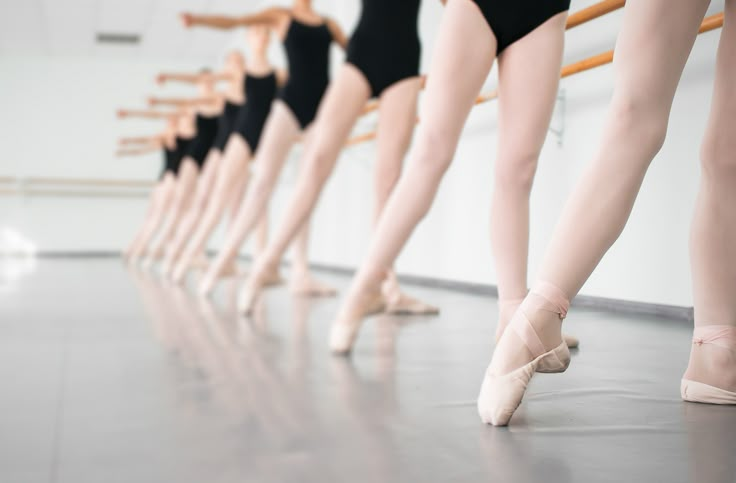
1. Ballet Builds Strong Technique and Body Control
One of the biggest things ballet teaches is body control. Every movement matters, from the position of your feet to the way you hold your arms and body.
Exercises like plié, tendu, relevé, and developpé help dancers improve their posture, balance, strength, and precision.
These skills can also help in other dance styles. In contemporary, dancers need control during floorwork and transitions. In jazz-funk, good body placement helps make movements sharper and cleaner. In hip-hop, balance and coordination support dynamic footwork.
Ballet helps dancers understand their bodies, making it easier to explore different styles.
2. Ballet Develops Musicality and Timing
Dance is not just about following the music. It is about feeling and understanding it.
Ballet teaches dancers about rhythm, counts, tempo, and musical phrasing. Dancers learn when to move, when to pause, and how to connect their movements with the music. This is especially useful in K-pop, jazz-funk, and contemporary choreography. A dancer who understands musicality can make the performance feel more alive. Two dancers can perform the same choreography, but the one who understands the music may stand out more through their timing, energy, and expression.
Ballet teaches dancers to listen with their bodies.
3. Ballet Creates Better Lines and Movement Quality
One of ballet’s most recognizable qualities is its beautiful lines. Extended legs, pointed feet, strong posture, and controlled arms can make movements look clean and polished.
These skills can also be useful in other dance styles. In contemporary, long lines can make movements feel more expressive. In jazz, clean extensions can add to the overall look. In K-pop, ballet training can help dancers create sharp shapes and smooth transitions.
However, ballet is not about making every dance style look like ballet. It is about learning how to use your body in different ways.
A good dancer should be able to move sharply, softly, powerfully, or gracefully depending on the style and music.
4. Ballet Teaches Discipline and Consistency
Ballet training can be challenging. Dancers repeat exercises many times to improve their technique and become more consistent.
This teaches an important lesson: progress comes from discipline, not just talent.
Someone may have natural flexibility or musicality, but without regular training, those abilities may not reach their full potential.
This mindset is useful in every dance genre. Whether you are learning a difficult hip-hop choreography, practicing contemporary floorwork, or preparing for a competition, consistency matters.
Ballet teaches dancers to respect the process behind the performance.
5. Ballet Helps Dancers Adapt to Different Styles
Some people think ballet dancers can only do ballet. But ballet training can actually help dancers explore many other styles.
Of course, ballet does not automatically make someone good at every dance style. Each genre has its own technique, vocabulary, and history that dancers need to learn. But ballet can give dancers a strong starting point when trying something new.
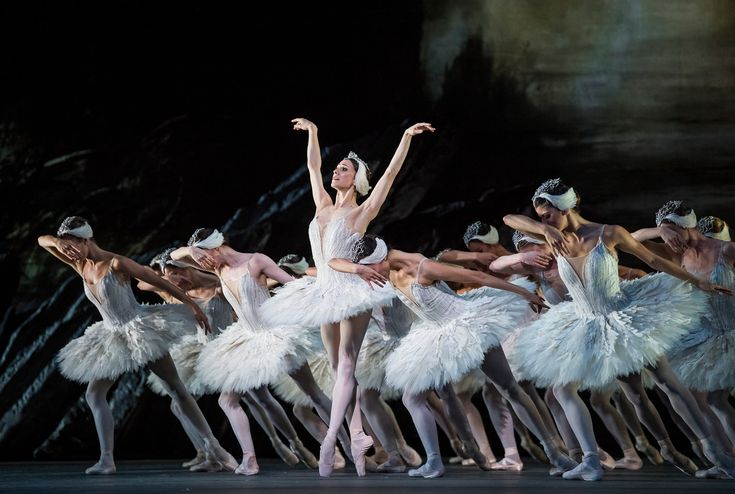
6. Ballet Is About Artistry, Too
Ballet is not only about technique. It is also about telling a story and expressing emotions through movement.
A dancer learns how to use their body, facial expressions, and movement quality to communicate something to the audience. This can help in other genres as well. A contemporary dancer might express vulnerability, a jazz-funk dancer might show confidence, and a K-pop performer might bring charisma to the stage.
The goal is not just to perform the steps correctly. It is to make the audience feel something.
7. Ballet Is a Foundation, Not the Only Path
Even though ballet offers many valuable skills, it is important to remember that it is not the only foundation of dance. Hip-hop, traditional Indonesian dance, African dance, contemporary, and many other styles have their own techniques, histories, and cultural roots.
A dancer does not need to study ballet to become talented or successful. Every dance style can develop different strengths.
So, calling ballet the “real foundation” is more about recognizing the value of classical training, not saying that every dancer must learn ballet.
Ballet is one strong foundation, but it is not the only way to become a great dancer.
Ballet has remained an important part of dance training because it teaches more than just beautiful movements. It helps dancers develop body control, musicality, balance, discipline, and artistry. For dancers who explore different styles, ballet can be a valuable tool that helps them understand their bodies and move with more confidence.
But the real beauty of ballet is not that it makes every dancer look the same. It gives dancers the tools to discover how they want to move, and that is why ballet still matters.