





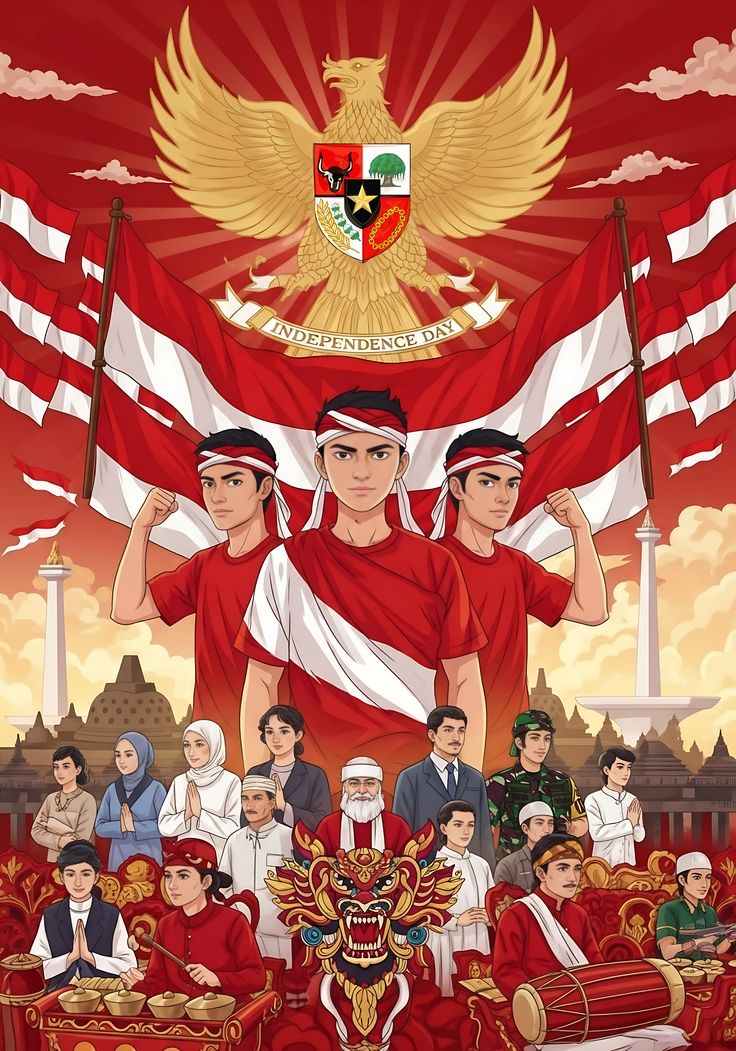
Every August 17, Indonesia transforms into one giant playground.
Children hop rapidly toward the finish line in the sack race. Cheers ring out as a fierce tug-of-war match unfolds. Everyone laughs as participants try to eat hanging crackers without using their hands. Meanwhile, dozens of people gather around the panjat pinang and work together to reach the prizes at the top of the pole.
For many Indonesians, these are simply annual traditions.
But have you ever wondered whether our favorite Independence Day games say more about Indonesia than we realize?
More Than Just a Competition
At first, people might think these games were merely fun and entertaining, However they are actually rooted in Indonesian history and have become symbols of the values that shaped the nation.
Balap karung (The Sack Race)
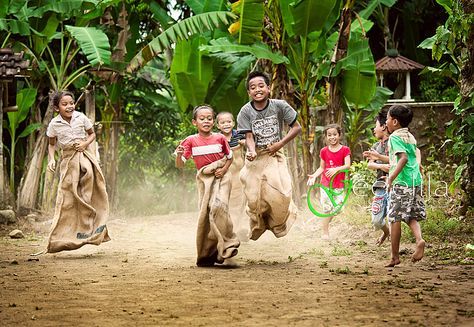
Many people believe that sack racing began during Indonesia’s colonial period. At that time, many poor people used gunny sacks as clothing or sleeping mats because they could not afford basic necessities. Later, people started using the sacks as part of a simple game. After Indonesia gained independence, sack racing became one of the most popular games during Independence Day celebrations. Today, the game reminds people of past struggles and the importance of freedom, unity, and perseverance.
Tarik Tambang (Tug of War)
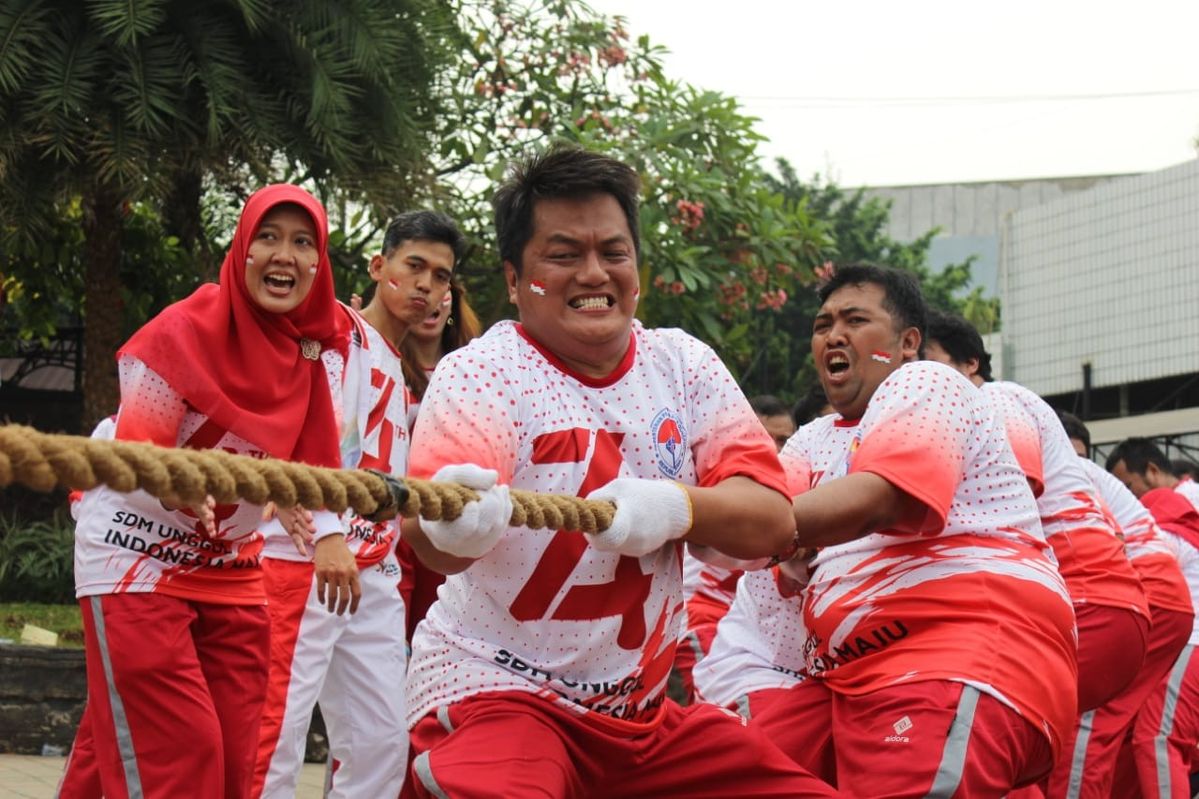
A game that proves that strength alone is not enough. To win, every team member must pull together at the same time. If even one person loses the rhythm, the whole team can lose. That is why tug of war is often seen as a symbol of teamwork, trust, and good communication.
Tug of war is also played in many countries and is governed by an nternational organization called the Tug of War International Federation (TWIF), which organizes world championships and promotes the sport worldwide.
Makan Kerupuk (The Cracker Eating Contest)
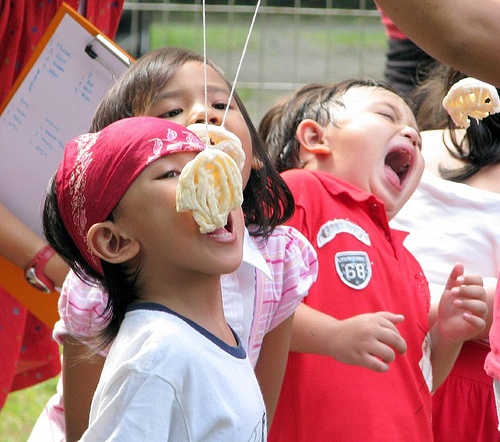
Another well-loved Independence Day game is makan kerupuk. In this game, participants are not allowed to use their hands, so they must rely on patience, concentration, and determination to finish first. But, why kerupuk? During the colonial era, kerupuk was one of the few foods that many ordinary people could still afford. What was once a simple food for difficult times has now become a popular Independence Day tradition, reminding us to be grateful for the freedom and better life we enjoy today.
Panjat Pinang (The Greased Pole Climbing Contest)
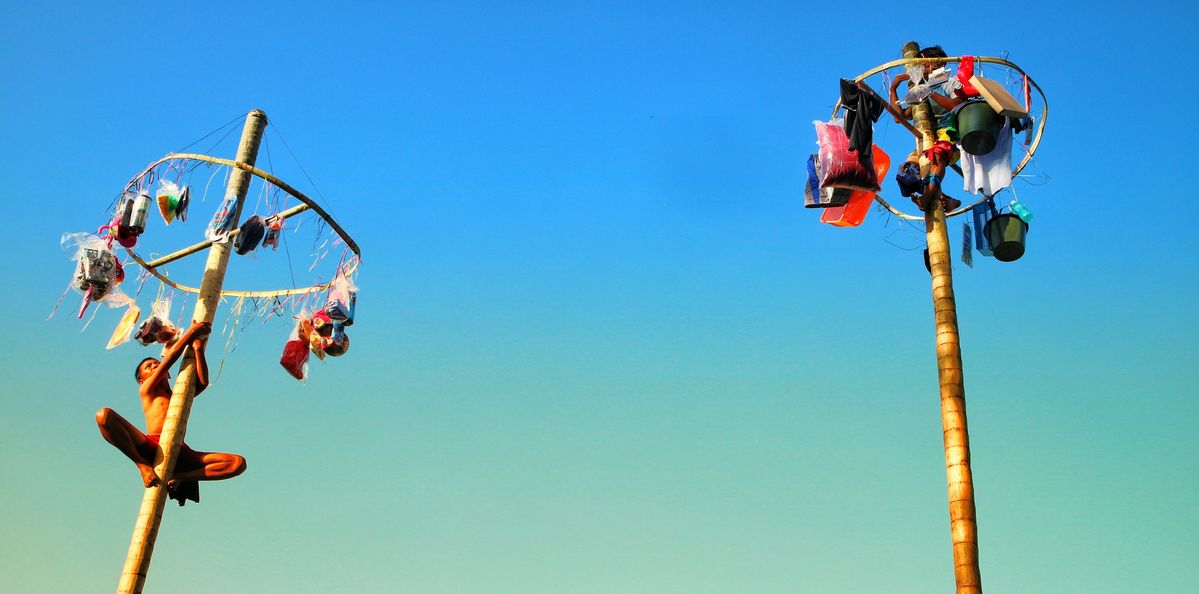
Panjat pinang may look like a funny game, but it has a long history. During the Dutch colonial era, this game was held at public events. Local people climbed a tall, slippery pole to win prizes like food, clothes, and other daily necessities, while the Dutch watched for entertainment. But today, the meaning has changed. Instead of reminding people of the colonial period, panjat pinang is now a symbol of teamwork, hard work, and helping one another. After all, no one can reach the top and win the prize alone.
However, this iconic game has also become a topic of debate. For example, in some parts of Aceh, panjat pinang has been banned because it is considered unsafe and, by some people, still associated with colonial-era entertainment. Even so, for many Indonesians, the game is no longer about its past, but it is about working together, never giving up and celebrating Independence Day as one nation.
The Games Reflect the Nation
Although each game has different rules, they all seem to teach the same values. The sack race reminds us that setbacks are part of moving forward, the cracker eating contest teaches patience and gratitude, and tug of war proves that teamwork is stronger than individual effort. Panjat Pinang shows that reaching the highest goal often requires helping others first.
Perhaps that’s why these games never grow old. They are not just about winning prizes or having a good laugh. Every race, every pull, every bite, and every climb carries a piece of Indonesia’s story. So this August 17, don’t just play the games, but remember the values behind them. As Indonesia’s first president, Ir. Soekarno, once said, “JAS MERAH” (Jangan sekali-kali meninggalkan sejarah), or “Never Forget History.” These traditions remind us of the struggles, sacrifices, and unity that shaped the nation. After all, your favorite Independence Day game might say more about Indonesia than you think.
Happy 81st Independence Day, Indonesia! Dirgahayu Republik Indonesia!
References:
BINUS University. (2025, June). Inilah Lomba 17 Agustus yang Banyak Dilakukan di Berbagai Kota di Indonesia. BINUS @Bandung. https://binus.ac.id/bandung/2025/06/inilah-lomba-17-agustus-yang-banyak-dilakukan-di-berbagai-kota-di-indonesia/
Wibawana, W. A. (2025, August 11). Filosofi di Balik Lomba-Lomba 17 Agustus dan Asal Usulnya. Detik News. https://news.detik.com/berita/d-8055074/filosofi-di-balik-lomba-lomba-17-agustus-dan-asal-usulnya
Setyadi, A. (2025, August 11). Pemkab Aceh Barat-Aceh Jaya Larang Lomba Panjat Pinang, Ini Alasannya. Detik News. https://news.detik.com/berita/d-8058152/pemkab-aceh-barat-aceh-jaya-larang-lomba-panjat-pinang-ini-alasannya
Yudha. (2019, February 19). Selamat Hari Tarik Tambang Sedunia! Yuk, Kenali 10 Fakta Uniknya. IDN Times.
https://www.idntimes.com/science/discovery/selamat-hari-tarik-tambang-sedunia-yuk-kenali-10-fakta-uniknya-00-tkyt7-k1nzdb